Scandinavian Adventures
Scandinavia offers a spectrum of adventures unlike anywhere else on Earth. From the brackish waters of the Baltic Sea to the frozen expanses of Greenland’s ice sheet, this northern realm combines dramatic natural beauty with deep cultural traditions that stretch back millennia. Whether you’re drawn to the silence of Arctic wilderness, the thrill of maritime exploration, or the mystery of ancient customs, the Nordic region delivers experiences that transform how you understand travel itself.
The geography alone tells a remarkable story: coastal cliffs that drop vertically into churning seas, inland fjords that slice deep into mountainous terrain, and ecosystems where freshwater meets saltwater in ways found nowhere else. But beyond the landscapes, Scandinavia invites you to engage with elements—ice, water, light, and darkness—in their most extreme and beautiful forms. This is adventure that demands respect, preparation, and an openness to nature’s raw power.
What makes Nordic adventures particularly compelling is their diversity across latitudes and seasons. You can paddle through urban waterways in Copenhagen, then find yourself days later navigating between icebergs off Greenland’s coast. You can celebrate the midnight sun in summer, then return in winter to witness the aurora borealis painting the Arctic sky. This comprehensive exploration will guide you through the essential experiences that define Scandinavian adventure travel.
Immersing Yourself in Nordic Cultural Heritage
Understanding Scandinavian adventures means looking beyond outdoor pursuits to the cultural foundations that shaped how Nordic people have lived with these environments for centuries. The region’s traditions aren’t museum pieces—they’re living practices you can actively participate in, from winter bathing rituals to solstice celebrations that mark the turning points of the year.
Ancient Traditions and Living History
Winter bathing, known as vintersbadning in Danish, exemplifies how Nordic cultures transformed harsh conditions into wellness practices. This tradition involves plunging into near-freezing water, often after sauna sessions, and has roots in both practical hygiene and spiritual cleansing. Modern Scandinavians maintain heated bathhouses along coastlines where you can experience this centuries-old practice safely, with locals who’ll explain the proper techniques for entering cold water and recognizing your body’s limits.
Solstice celebrations reveal another dimension of Nordic cultural life. The summer solstice, called Sankt Hans Aften in Denmark and Midsommar in Sweden, involves bonfires, traditional foods, and gatherings that celebrate the year’s longest day. These aren’t tourist performances but genuine community events where understanding the astronomical significance—the Arctic’s relationship with sunlight—deepens your appreciation of why light holds such cultural importance in northern latitudes.
Sacred Sites and Ancient Craftsmanship
Scandinavia’s landscape holds sites that were sacred long before Christianity arrived. Stone circles, burial mounds, and Viking-age ritual grounds dot the countryside, particularly in Denmark and southern Sweden. Visiting these locations requires respectful behavior: staying on marked paths, not climbing on ancient structures, and recognizing that for some communities, these remain spiritually significant places.
Traditional craftsmanship offers hands-on cultural connection. Workshops throughout the region teach skills like timber framing, wool processing, and traditional boat building. Learning to carve a wooden spoon using techniques unchanged for generations, or understanding how Viking ships were constructed without metal fasteners, provides insight into how innovation emerged from working with limited materials in demanding climates.
Coastal Landscapes and Dramatic Geology
Scandinavia’s coastlines showcase geological drama on an extraordinary scale. The contrast between Denmark’s chalk formations and Norway’s granite fjords illustrates how different rock types create entirely distinct landscapes, each offering unique adventure opportunities.
Denmark’s White Cliffs Versus Norway’s Fjords
The cliffs of Møns Klint in Denmark rise 128 meters from the Baltic Sea, their brilliant white chalk face created from microscopic fossils deposited when this region lay beneath ancient seas. Hiking these cliffs means navigating wooden staircases, understanding landslide risks, and timing visits for visual impact when low sun angles emphasize the chalk’s brightness. Fossil hunting along the beach below reveals echinoids and belemnites millions of years old.
Norwegian fjords present a completely different geology. Carved by glacial action through hard metamorphic rock, these deep inlets feature vertical walls that plunge hundreds of meters underwater. The Geirangerfjord and Nærøyfjord showcase this landscape at its most dramatic, where waterfalls cascade from hanging valleys and the water depth creates an intense blue-black color. Exploring fjords by kayak or traditional wooden boat reveals scale impossible to grasp from land.
Timing Your Visit for Optimal Conditions
Coastal weather in Scandinavia changes rapidly. The meeting of Arctic and Atlantic air masses creates systems that can shift from calm to stormy within hours. Successful coastal adventures require:
- Layered clothing systems that manage both wind and sudden rain
- Understanding local weather patterns specific to each coast
- Checking marine forecasts, not just general weather reports
- Planning flexible itineraries that allow for weather delays
The “special light” photographers chase occurs during the golden hours when low sun angles interact with coastal atmospheres. In summer, this light can persist for hours near sunset and sunrise. In winter, the brief midday sun creates conditions where dawn and dusk seem to merge into continuous twilight.
Maritime Adventures Across Nordic Waters
Water defines Scandinavia. With thousands of kilometers of coastline, countless islands, and intricate systems of fjords and inlets, maritime activities aren’t optional extras but essential ways to understand these regions.
Sailing and Boating Experiences
Denmark’s licensing regulations allow visitors to rent boats without credentials for vessels under certain power thresholds, opening coastal exploration to those without formal sailing qualifications. This accessibility makes island hopping through the Danish archipelago remarkably straightforward. However, understanding basic navigation, reading nautical charts, and knowing right-of-way rules remain essential for safety.
Traditional wooden ships offer a different maritime experience. These restored vessels, many built using historical techniques, sail routes that Viking traders once followed. Crewing on these ships teaches seamanship fundamentals: reading wind direction, understanding sail dynamics, and working as part of a team where everyone’s actions affect the vessel’s performance. Multi-day voyages often include stops at historical ports, connecting maritime skills with cultural history.
Kayaking Through Nature and Cities
Sea kayaking reveals Scandinavia from a unique perspective—at water level, moving silently enough to approach wildlife, accessing channels too shallow for motorboats. The Roskilde Fjord in Denmark exemplifies ideal kayaking environments: protected waters with moderate currents, diverse coastlines ranging from reed beds to open water, and cultural sites including Viking ship museums reachable by paddle.
Urban kayaking has emerged as a distinct experience. Copenhagen’s harbor routes pass architecture ranging from historic warehouses to modern opera houses. The Green Kayak initiative combines paddling with environmental cleanup—participants collect floating debris while exploring waterways, turning recreation into active conservation. Understanding water safety rules becomes crucial in these mixed environments where recreational paddlers share channels with commercial traffic.
Understanding Unique Nordic Ecosystems
The Baltic Sea represents one of Earth’s most unusual marine environments. This brackish water ecosystem—where saltwater from the North Sea mixes with freshwater from numerous rivers—creates conditions found almost nowhere else globally. Salinity levels that shift with location and depth produce unique biology worth understanding before exploring these waters.
Marine wildlife adapted to brackish conditions includes species found nowhere else. Harbor seals and ringed seals navigate these waters, while bird populations exploit the ecosystem’s productivity. Spotting marine wildlife requires patience and knowledge of behavior patterns: seals often rest on specific rocks during low tide, while seabirds concentrate where currents bring nutrients to the surface.
Water quality varies seasonally. Algae blooms, particularly in late summer, can affect both visibility and safety for water activities. These blooms result from nutrient runoff and warm temperatures, creating conditions where swimming or kayaking becomes unpleasant or risky. Checking current water temperatures and quality reports before planning water-based activities prevents disappointment and ensures safety.
Fishing in the Baltic targets species adapted to brackish conditions. Amber hunting along beaches—searching for “Nordic gold” washed up after storms—connects to the region’s geological history. This fossilized resin, formed from ancient forests, appears along shorelines particularly after strong winds churn the seafloor. Learning to distinguish genuine amber from similar-looking pebbles becomes a skill that transforms beach walks into treasure hunts.
Arctic Expeditions and Winter Pursuits
While Denmark, Norway, and Sweden offer Arctic experiences in their northern regions, Greenland represents the ultimate Scandinavian Arctic adventure. This autonomous territory within the Kingdom of Denmark provides access to ice sheet expeditions, indigenous culture, and polar environments accessible from Scandinavian travel hubs.
Dog Sledding and Greenlandic Culture
Dog sledding in Greenland isn’t a tourist attraction but a functional transportation method still used by hunting communities. Understanding the dogs means recognizing they’re working animals bred for endurance and cold tolerance, not pets. Proper interaction respects their role and the musher’s relationship with the team. Tours that engage with authentic sledding culture explain breeding practices, dog hierarchies within teams, and the commands that direct sleds across featureless ice.
Physical demands exceed what most visitors anticipate. Temperatures regularly reach -30°C or lower, requiring specialized clothing systems that manage both cold and the exertion of helping push sleds. Respecting Inuit culture means understanding how centuries of Arctic survival knowledge inform modern practices, and recognizing that some traditions and locations hold significance that limits tourist access appropriately.
Ice Fishing and Snowmobiling
Ice fishing transforms frozen lakes into fishing platforms. The process begins with checking ice thickness—a minimum of 10-12 centimeters for walking, more for vehicles—then drilling holes using hand augers or power drills. Selecting bait and understanding which species feed during winter requires local knowledge, as fish behavior changes dramatically in near-freezing water. Staying warm during hours of waiting means proper clothing, portable shelters, and hot beverages. Cooking the catch immediately on portable stoves provides satisfaction that transcends the meal itself.
Snowmobiling through Arctic wilderness offers speed and access to remote areas, but requires license verification in most Nordic countries. Environmental impact concerns have led to restrictions in sensitive areas, with designated routes protecting wildlife and minimizing noise pollution. The experience of speeding across frozen lakes and through snow-covered forests carries risks—frostbite prevention, wildlife spotting at speed, and understanding avalanche terrain become essential knowledge.
Chasing Atmospheric Phenomena and Wildlife
Scandinavia’s high latitudes create atmospheric and astronomical displays unmatched at lower latitudes. Understanding these phenomena transforms them from random luck into experiences you can actively pursue.
The aurora borealis results from solar particles interacting with Earth’s magnetic field. Tracking solar activity through specialized forecasts helps predict likely displays. Finding dark skies means escaping light pollution—traveling away from cities into rural areas where artificial light doesn’t wash out the subtle greens and occasional reds of auroral displays. Capturing the northern lights photographically requires understanding long exposures, manual camera settings, and patience as displays ebb and flow over hours.
Bioluminescence, or “sea sparkle,” occurs when certain plankton species emit light when disturbed. This phenomenon appears in Nordic waters during specific seasonal conditions, creating displays where every paddle stroke or swimming motion triggers blue-green glows. The effect intensifies in complete darkness, making moonless nights optimal for witnessing this marine light show.
The blue hour—that period of twilight when the sun sits just below the horizon—extends dramatically at northern latitudes. In winter, this magical light can last for hours, bathing landscapes in deep blues and purples. Photographers and nature observers prize these conditions for the unique color palette and soft illumination they provide.
Wildlife observation spans from nocturnal forest animals to marine species. Discovering bats, listening for deer during the autumn rut, and learning to use red light that preserves night vision while observing animals all require technique. Booking guided tours with specialists reveals behaviors and species you’d miss independently, while teaching observation skills applicable to future adventures.
Diving Into Nordic Underwater Worlds
Cold water diving in Scandinavia challenges even experienced divers but rewards them with exceptional visibility and unique marine environments. Water temperatures hover between 2-15°C depending on season and location, requiring dry suits and understanding how cold affects both body and equipment.
Managing buoyancy in a dry suit differs from wetsuit diving—air in the suit requires careful venting during ascent. Preventing regulator freezing in near-zero water means using cold-water certified equipment and understanding breathing techniques that minimize moisture buildup. Spotting cold-water marine life like nudibranchs, kelp forests, and Arctic fish species reveals ecosystems radically different from tropical diving.
Underwater archaeology transforms Nordic diving into historical exploration. The Baltic’s low salinity and cold temperatures preserve wooden wrecks that would disintegrate in saltwater. Viking-age vessels, medieval merchant ships, and World War II wrecks create an underwater museum spanning centuries. However, respecting war graves remains paramount—many wrecks are protected sites where diving requires permits and behavior follows strict ethical guidelines. Photography requires powerful lights to penetrate the murky water characteristic of areas where freshwater meets salt.
Planning Multi-Country Nordic Travel
Scandinavia’s interconnected infrastructure makes multi-country journeys remarkably feasible. The Øresund Bridge connecting Denmark and Sweden exemplifies this integration—a combined bridge and tunnel spanning 16 kilometers that you can cross by car or train, treating the international border as barely more significant than a provincial boundary.
Budgeting for three currencies (Danish krone, Swedish krona, Norwegian krone) adds complexity, though all Nordic countries have high card payment acceptance. Understanding that prices vary significantly between countries—Norway generally being most expensive, Denmark and Sweden more moderate—helps set realistic budgets. Ferry services connect Denmark, Norway, and Sweden with overnight routes that serve as both transportation and accommodation, reducing overall costs while providing unique experiences.
Packing for variable latitudes means preparing for significantly different climates within a single trip. Southern Denmark’s temperate maritime climate differs dramatically from northern Norway’s Arctic conditions. Layering systems adaptable across this range become essential. Comparing capital cities—Copenhagen’s bicycle culture and design focus, Stockholm’s archipelago setting and royal history, Oslo’s proximity to forests and fjords—reveals distinct urban personalities worth experiencing individually rather than treating as interchangeable stops.
The logistics of multi-country travel reward flexibility. Weather can close ferries, northern lights appear unexpectedly, or particular hiking routes prove more compelling than anticipated. Building buffer days into itineraries allows you to respond to opportunities rather than rigidly following predetermined schedules. This approach aligns with the Scandinavian concept of friluftsliv—literally “free air life”—which emphasizes being present in nature without agenda, letting the environment guide your experience.
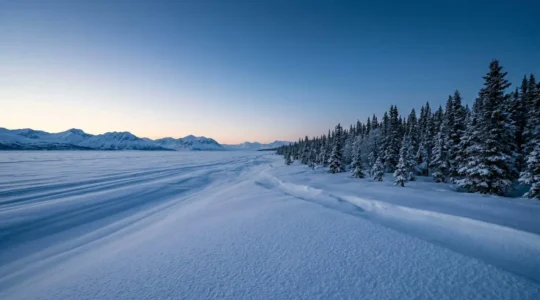
Svalbard or Lapland: Which Snowmobile Destination pairs best with a Danish Trip?
Your choice between Svalbard and Lapland isn’t about polar bears vs. reindeer; it’s about choosing between a regulated, high-stakes expedition (Svalbard) and a high-comfort, accessible wilderness playground (Lapland). Svalbard demands strict adherence to safety protocols (armed guides, mandatory briefings, no…
Read more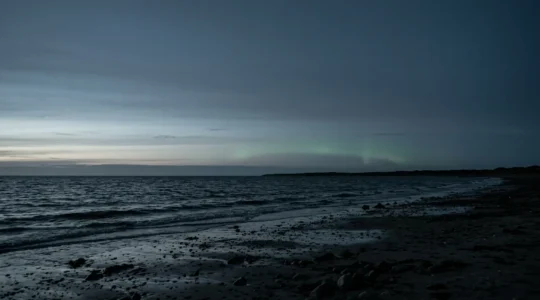
Aurora Borealis from Denmark: Is It Possible to See the Northern Lights?
Yes, you can see the Northern Lights from Denmark, but they are a spectacle your camera will appreciate far more than your naked eye. Success depends less on high Kp-indices and more on monitoring real-time solar wind data (like a…
Read more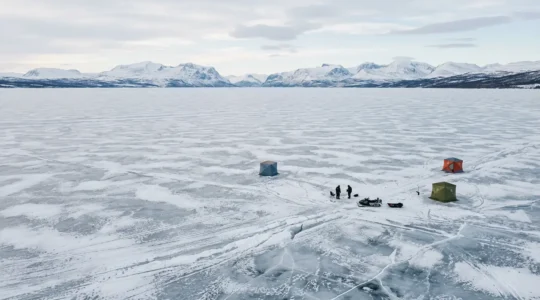
Sweden or Norway: Where is the Closest Reliable Ice Fishing from Denmark?
The best ice fishing trip from Denmark is not about finding the closest lake, but making a strategic choice between convenience and wilderness. Sweden offers unmatched accessibility for weekend trips, with reliable perch and pike fishing in Småland, just hours…
Read more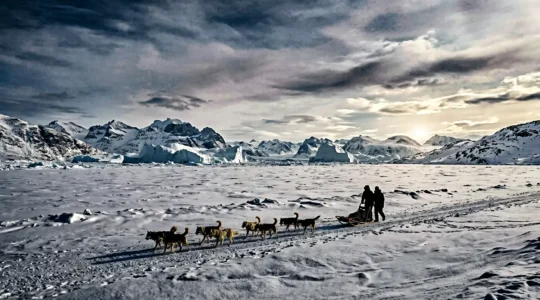
Greenland from Copenhagen: How to Plan a Dogsledding Extension?
Executing a successful dogsledding expedition in Greenland from Copenhagen is a matter of precise logistical choices, not a simple holiday add-on. Authenticity depends on understanding that dogsledding is a form of cultural transport, not a tourist ride. Your physical readiness…
Read more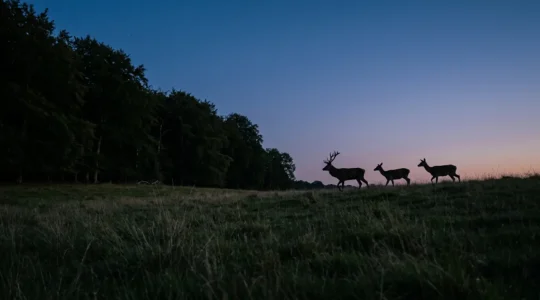
Dyrehaven by Night: Is It Safe to Walk Among 2000 Deer in the Dark?
Contrary to popular belief, a powerful flashlight isn’t the key to safety in Dyrehaven at night. True security and a magical wildlife experience come from embracing a “nocturnal etiquette”—understanding animal behaviour, respecting their world, and learning to see in the…
Read more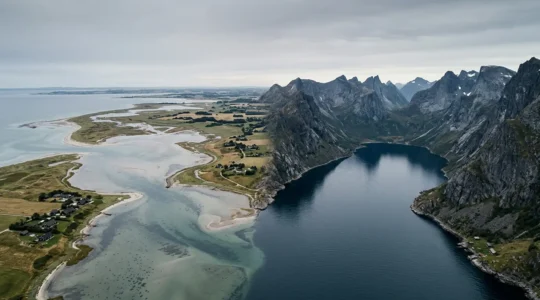
Limfjord vs. Geiranger: How Do Danish Fjords Differ from Norway’s?
The critical mistake is comparing Danish and Norwegian fjords by scale; they are fundamentally different landscapes offering distinct experiences. Danish “fjords” are shallow, brackish coastal inlets shaped by sea-level rise, fostering rich ecosystems and accessible recreation like cycling and kayaking….
Read more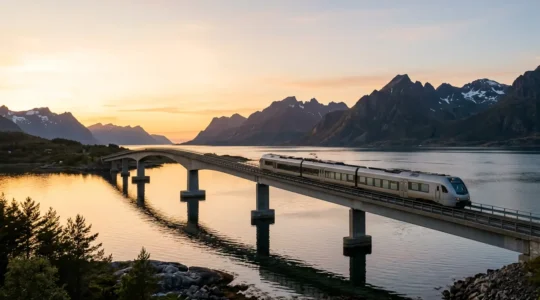
How to Plan a 2-Week Train Journey Through Denmark, Sweden, and Norway?
The key to a successful Scandinavian train tour is not simply booking tickets, but making strategic trade-offs between time, cost, and experience for each leg of the journey. The train forms the efficient backbone of your trip, but a hybrid…
Read more
The Baltic Anomaly: A Scientist’s Guide to Appreciating the Unique Nature of a Misunderstood Sea
The Baltic Sea is far more than a cold, shallow body of water; it’s a complex brackish ecosystem governed by scientific paradoxes. Its famously low salinity, a result of massive freshwater inflow, creates a unique habitat that both challenges marine…
Read more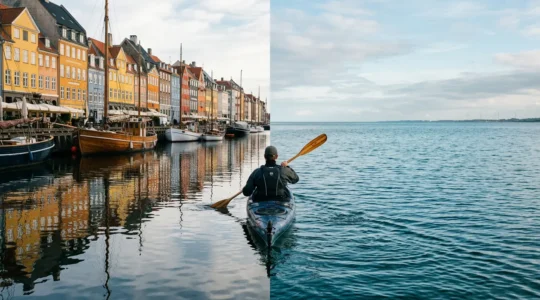
How to Kayak in Denmark: From City Canals to Open Sea?
In summary: Mastering Danish waterways is less about location and more about understanding the specific “codes” of each environment, from urban traffic to wildlife etiquette. In busy harbors like Copenhagen, your primary safety rule is the “Tonnage Rule”: large vessels…
Read more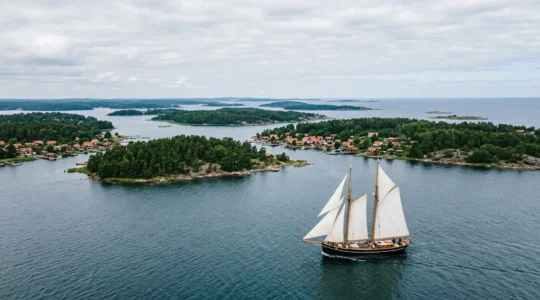
How to Truly Explore the Danish Archipelago by Boat: A Skipper’s Guide
Truly exploring Denmark by sea is less about a fixed itinerary and more about mastering the art of ‘good seamanship’. You can rent smaller motorboats (<25HP) without a license, but a frank self-assessment of your skills is crucial before casting…
Read more