In summary:
- To live like a Copenhagener, focus on mastering the city’s practical daily systems, not just cultural concepts like hygge.
- Authentic living starts with choosing the right neighborhood and an apartment over a hotel to integrate into the local rhythm.
- Daily life involves navigating specific supermarket tiers, a complex 10-type waste sorting system, and shared community resources.
- Budgeting is crucial; sustainable choices like using the deposit-return system and understanding public amenities can lead to significant savings.
- The transition from tourist to temporary resident is a mindset shift centered on adopting local logistics and community etiquette.
So, you’re planning an extended stay in Copenhagen. You’ve heard about the cycling culture, the concept of hygge, and the picturesque canals of Nyhavn. Most guides will tell you to rent a bike and find a cozy café. While these are parts of the experience, they only scratch the surface of what it means to actually live in the Danish capital. The romantic image of a carefree month in Scandinavia often clashes with the practical realities of daily life in a highly organized, system-driven society.
The real challenge—and the greatest reward—for a digital nomad or slow traveler isn’t just finding the best cinnamon bun. It’s about decoding the unwritten rules of the shared laundry room, understanding a recycling system with ten different categories, and knowing which supermarket aligns with your budget and values. The true transition from a tourist to a temporary resident doesn’t happen by visiting landmarks, but by successfully integrating into the city’s underlying operational systems. This is where you find the authentic rhythm of Copenhagen life.
This guide is designed to be your logistical partner. We will move beyond the clichés and provide the practical, step-by-step knowledge needed to manage your daily life. We’ll break down the systems that govern everything from your grocery shopping and waste disposal to finding a place to work and even borrowing a drill from a neighbor. By the end, you’ll have a clear roadmap to not just visit Copenhagen, but to live in it with confidence.
This article provides a complete logistical framework for your month-long stay. Below, the summary outlines the key systems you’ll need to master to transition from a visitor to a temporary local, covering everything from daily shopping to community integration.
Summary: How to Transition from Tourist to Temporary Local in Denmark?
- Netto or Irma: Which Supermarket Fits Your Budget and Values?
- Bio-waste and Plastic: How to Master the 10-Type Sorting System?
- Sharepeeps and Facebook Groups: How to Borrow Tools from Neighbors?
- Libraries or Cafes: Where Can You Work on a Laptop Without Annoying Staff?
- The Shared Laundry Room: How to Book Your Turn and Avoid Conflict?
- Airbnb or Hotel: Which Neighborhood Offers the Most Authentic Daily Life?
- Can You Save Money by Eating and Traveling Sustainably in Copenhagen?
- How to Transition from Tourist to Temporary Local in Denmark?
Netto or Irma: Which Supermarket Fits Your Budget and Values?
Your first step towards settling in is stocking your kitchen, and in Copenhagen, not all supermarkets are created equal. The choice between them is a daily decision that reflects both your budget and your values. The landscape is generally divided into three tiers: budget-friendly discounters, mid-range options, and premium, quality-focused stores. Understanding this hierarchy is the first operational system you’ll master.
For the budget-conscious temporary resident, Netto and Rema 1000 are the go-to choices. These are ubiquitous, no-frills supermarkets perfect for basic necessities. You’ll find staple items at some of the lowest prices in the city; for example, at Netto, a loaf of bread costs around 12 DKK (€1.60), and a litre of milk is about 10 DKK (€1.30). They are designed for efficient, weekly shopping trips. Mid-range stores like Føtex and SuperBrugsen offer a wider variety, including a better selection of organic products under their own house brands, like Änglamark.
At the premium end, you have Irma, easily recognizable by its blue-and-white branding and the Irma girl logo. This chain, found primarily in the Copenhagen area, prioritizes high-quality, organic, and specialty products. While more expensive, it’s the place to go for artisanal goods, an extensive wine selection, and a commitment to local and sustainable sourcing. Choosing between Netto for basics and Irma for a weekend treat is a classic Copenhagener move.
This table breaks down the key differences to help you navigate your grocery options from day one.
| Supermarket | Price Category | Best For | Organic Selection | Availability |
|---|---|---|---|---|
| Netto | Budget | Basic food items, weekly shopping, deal hunters | Limited but growing | Widespread – almost every neighborhood |
| Rema 1000 | Budget | Lower-priced meat and seafood | Basic selection | Nationwide, predominantly outside city centers |
| Føtex | Mid-range | Variety without luxury prices | Good organic range (Änglamark brand) | Several branches in Copenhagen |
| Irma | Premium | Organic produce, wine, specialty products | Extensive – priority on local & organic | Sjælland only (mainly Copenhagen area) |
Bio-waste and Plastic: How to Master the 10-Type Sorting System?
If there is one system that defines daily life in Copenhagen, it’s waste sorting. The city takes recycling seriously, and as a temporary resident, so should you. This isn’t just about separating paper and plastic; it’s a comprehensive 10-category system that is fundamental to the city’s goal of becoming a circular economy. The Danes’ commitment to this is longstanding, with their highly effective deposit-return system (`Pant`) showing a 92% return rate by 2019 for bottles and cans. This is more than a chore; it’s a core civic responsibility.
In your apartment building, you will likely find a dedicated waste room or area with numerous bins, each labeled for a specific material. Making a mistake, like putting a greasy pizza box in the cardboard bin, is a common rookie error and a social faux pas. The key is to learn the categories and prepare your waste accordingly by rinsing containers and separating materials.
Mastering this system requires a bit of initial effort, but it quickly becomes second nature. Below is a breakdown of the typical categories you will encounter. Your building’s system may have slight variations, but these are the core components of Copenhagen’s municipal sorting system.
- Paper: Newspapers, magazines, and office paper. Must be clean and dry.
- Cardboard: Clean cardboard only. Greasy pizza boxes go into residual waste.
- Plastic: Both hard (bottles, containers) and soft (bags, bubble wrap) plastics are accepted.
- Glass: Bottles and jars. These are often disposed of in large, public glass containers on the street.
- Metal: Aluminum cans, food tins, and other small metal objects. Rinse before disposal.
- Bio-waste: All food scraps, collected in the provided green bio-bags. This is converted into biogas.
- Hazardous waste: Batteries, light bulbs, and small electronics. These must be taken to special collection points or recycling centers (`genbrugsstation`).
- Bulky waste (`storskrald`): Large items like broken furniture that don’t fit in containers. Your building will have a specific area for this.
- Textiles: Old clothing and fabrics can be placed in textile bins or taken to recycling centers.
- Pant containers: Bottles and cans with the ‘Pant A, B, or C’ mark. Return these at any supermarket for a cash refund.
Sharepeeps and Facebook Groups: How to Borrow Tools from Neighbors?
One of the most revealing aspects of Danish society is its deeply embedded sharing economy. This goes far beyond ride-sharing apps; it’s a form of community infrastructure that promotes resourcefulness and social connection. As a temporary resident who needs a hammer to hang a picture or a blender for a week, you don’t need to buy one. You can borrow it. This system operates through a mix of digital platforms and hyper-local physical spaces.
Your first port of call should be digital. Search on Facebook for groups specific to your neighborhood (e.g., “Nørrebro Givers & Takers” or “Vesterbro Bytte/Dele/Give Væk”). These are active communities where residents offer, request, and swap everything from kitchenware to furniture. Posting a request for a tool often yields a friendly response within hours. Apps like Sharepeeps also formalize this process, creating a digital library of items available for loan among neighbors.
Beyond digital platforms, Copenhagen is home to physical manifestations of this sharing ethos. These initiatives demonstrate how access often trumps ownership in Danish culture.
Case Study: Naboskab Community Closets
Naboskab, meaning ‘neighborliness’, creates “community closets” for sharing items. The Byttestation in Vesterbro is used by around 200 people daily, swapping over 5 tons of items each month. These spaces are more than just exchange points; they are social hubs that combat loneliness and reduce consumption by serving everyone from families to the elderly, fostering a true sense of community.
Case Study: Copenhagen FabLab
For more specialized needs, the Copenhagen FabLab in Valby functions as a free, user-driven tool workshop. While you can’t borrow the tools to take home, you gain access to everything from hand tools to large machines for on-site projects. It’s a testament to the city’s commitment to providing shared resources for creativity and practical tasks.
Libraries or Cafes: Where Can You Work on a Laptop Without Annoying Staff?
For digital nomads, finding a “third place” to work is a top priority. Copenhagen offers a wealth of beautiful cafes, but a common frustration is navigating the unwritten rules of laptop use. While many cafes are welcoming, occupying a table for hours during a lunch rush is poor etiquette. The key is to find the right spot for the right task and to respect the environment. Your main options are public libraries, laptop-friendly cafes, and dedicated co-working spaces.
Copenhagen’s public libraries (`bibliotek`) are an outstanding and underutilized resource. They are free, quiet, and designed for concentration. The Copenhagen Main Library (Københavns Hovedbibliotek) and the stunning Royal Library (The Black Diamond) offer dedicated study areas, reliable Wi-Fi, and a peaceful atmosphere without the pressure to constantly buy something. They are the ideal choice for deep work sessions.
If you prefer the buzz of a cafe, you need to be strategic. Many have specific policies, such as “no laptops during peak hours” or designated laptop-free zones. Following proper etiquette is non-negotiable. For a more structured environment, co-working spaces like Republikken in Vesterbro offer a professional setup, blending a creative hub with a cafe and event space, perfect for networking and focused work.
Your Action Plan: Working Respectfully in Copenhagen Cafes
- Check Policies: Before settling in, ask or look for signs indicating the cafe’s laptop rules.
- Purchase Regularly: To justify your space, plan to buy a coffee or a snack every 90-120 minutes.
- Mind Your Footprint: Choose a small table and avoid spreading out during busy periods like lunch (12-2 PM).
- Use Headphones: Always use headphones for any audio, especially for online calls, to maintain a quiet atmosphere for other patrons.
- Respect Time Limits: Be mindful of how long you stay. If the cafe gets crowded, consider it a cue to pack up or order more.
The Shared Laundry Room: How to Book Your Turn and Avoid Conflict?
Welcome to the `vaskeri`, the shared laundry room. For many renters in Copenhagen, this is a central part of weekly life and an operational system with its own strict set of rules and etiquette. In-unit washing machines are a luxury; the communal laundry is the norm. Successfully navigating it is a true sign that you’re integrating like a local.
The most critical component is the booking system. This can take two forms. The traditional method is a physical board in the laundry room with slots for each day and time. You claim a slot by placing a lock with your apartment number on it. If you book a time, you must use it. Not showing up is a major inconvenience for your neighbors. The more modern approach is a digital system, either online or via a screen in the `vaskeri`, where you book and pay using a pre-loaded card or a mobile app.
Punctuality is paramount. Your booked time slot is precise. If your turn is from 2 PM to 4 PM, you are expected to have all your clothes out of the machines by 4 PM sharp so the next person can begin. Leaving your laundry in the machine past your time is the quickest way to create conflict. Equally important is leaving the space as you found it. This means wiping down the machines, cleaning the lint filter in the dryer, and sweeping up any spilled detergent. It’s a shared space, and maintaining it is a shared responsibility.
Finally, be prepared for the payment method. Most `vaskerier` do not accept cash or credit cards directly at the machine. You will typically need a special laundry card (`vaskekort`) that you top up at a central kiosk in the building or complex. Understanding this entire process from booking to cleaning is a small but significant victory in your journey to becoming a temporary Copenhagener.
Airbnb or Hotel: Which Neighborhood Offers the Most Authentic Daily Life?
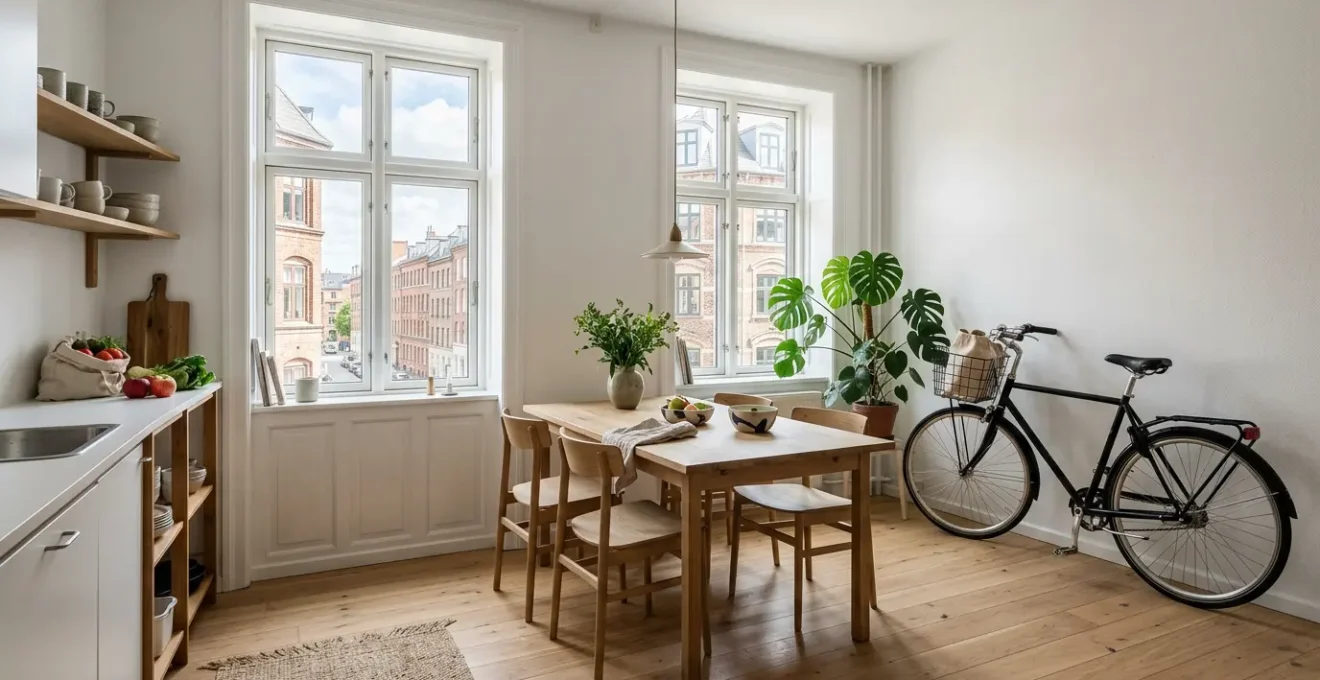
Your choice of accommodation is the single most important decision for a month-long stay. While hotels offer convenience, renting an apartment via a platform like Airbnb is essential for experiencing the daily rhythm of the city. It gives you a kitchen, more space, and a base in a residential area, immediately shifting your perspective from visitor to temporary resident. But the real question is, which neighborhood?
As the city’s tourism board notes, Copenhagen’s character is defined by its diverse districts. Visit Copenhagen points out:
Copenhagen is divided into a collection of very different yet equally loveable neighbourhoods, each with its distinct vibe and look. From gritty and industrial Refshaleøen to posh and classy Frederiksberg.
– Visit Copenhagen, Official Copenhagen Tourism Board
For an authentic experience, look beyond the tourist-heavy Indre By (city center). Consider these options:
- Vesterbro: Once a gritty working-class district, it’s now one of the city’s trendiest areas, full of independent shops, cool restaurants, and a vibrant nightlife. It’s ideal for those who want to be close to the action but with a local feel.
- Nørrebro: Known for its multicultural, creative, and youthful energy. It’s a hub of diverse food scenes, laid-back parks, and a slightly more bohemian vibe.
- Østerbro: A quieter, more family-oriented, and affluent area. It’s perfect if you’re seeking green spaces (like Fælledparken), waterfront promenades, and a more relaxed, upscale residential atmosphere.
- Frederiksberg: Technically its own municipality, this posh neighborhood feels like a green oasis within the city, with beautiful parks, elegant apartment buildings, and a sophisticated, calm environment.
Renting an apartment also gives you a realistic sense of Danish living spaces. While they can be stylishly minimalist, they are also functional. According to expat experiences, Typical Danish apartments average 100 square meters, offering significantly more room to live and work than a standard hotel room. This space is crucial for feeling at home over a 30-day period.
Can You Save Money by Eating and Traveling Sustainably in Copenhagen?
Copenhagen has a reputation for being expensive, and while it’s not a cheap destination, living like a local for a month allows you to tap into systems that make it far more manageable. The idea that sustainability is a luxury is false here; in Copenhagen, sustainable habits are often the most economical. This creates a “resourcefulness loop” where conscious choices directly benefit your wallet.
First, let’s establish a baseline. The cost of living is high, with recent data suggesting a monthly budget of approximately DKK 8,540 (€1,145) for a single person, excluding rent. A significant portion of this goes to food and transport. This is where sustainable practices come into play. For example, diligently using the `Pant` system to return bottles and cans can net you a noticeable amount back over a month. A single large beer bottle can have a deposit of 3 DKK.
Eating sustainably also means eating seasonally and locally, which is often cheaper. Shopping at budget supermarkets like Netto for staples and visiting local markets for produce reduces costs. Furthermore, combating food waste with apps like “Too Good To Go” allows you to buy delicious end-of-day meals from restaurants and bakeries at a steep discount. In terms of travel, investing in a monthly public transport pass or, better yet, using a second-hand bicycle is far cheaper than relying on single-trip tickets or taxis. These aren’t just eco-friendly choices; they are the most pragmatic and cost-effective ways to navigate the city.
This approach aligns with the city’s broader goals. Copenhagen’s commitment to sustainability is not just talk; it’s backed by measurable progress. Integrating into this mindset is not just good for the planet; it’s good for your bank account. Embracing these systems is the most effective way to manage your budget while living authentically.
Key takeaways
- The key to an authentic long-term stay is mastering Copenhagen’s practical “operational systems,” such as waste sorting and laundry etiquette.
- Choosing an apartment in a residential neighborhood like Vesterbro or Nørrebro over a central hotel is crucial for daily integration.
- Sustainable actions, like using the bottle deposit system and buying from budget supermarkets, are directly linked to saving money and managing your budget.
How to Transition from Tourist to Temporary Local in Denmark?
Ultimately, the transition from being a tourist to feeling like a temporary local is a shift in mindset. It’s about moving from passive observation to active participation. You’ve rented an apartment, you know which supermarket to use, and you’ve memorized the 10 recycling categories. You’re no longer just consuming the city; you are operating within its systems. This integration is the final and most rewarding step.
This process is made easier by the Danish approach to life and work. As recent global rankings show, Denmark was voted the second happiest country in the world and scores exceptionally high on work-life balance. By living here for a month, you’re not just changing your location; you’re getting a firsthand look at a society that prioritizes well-being, community, and efficiency. Adopting local habits, like leaving work on time or making use of public parks, helps you align with this cultural rhythm.
Language can be a concern for many, but it’s less of a barrier than you might think. As a relocation guide points out, your professional integration can be smooth:
English is widely spoken, particularly in professional settings, which makes integration easier for expats, although learning Danish is recommended for deeper cultural integration.
– Relocate.me, Moving to and Living in Copenhagen Guide
While you won’t become fluent in a month, learning a few key Danish phrases (“Tak” for thank you, “Hej” for hello) shows respect and opens doors. Engage with your local community—chat with the barista at your local cafe, join a neighborhood Facebook group, or participate in a local event. This is how a place transforms from a destination into a temporary home.
You now have the logistical framework to not just visit, but to truly live in Copenhagen. The next logical step is to start putting this knowledge into practice by beginning your search for the right neighborhood and accommodation that will become your home base for this adventure.