Food & Gastronomy
Danish food culture represents a fascinating paradox: deeply rooted in centuries-old traditions of preservation and simplicity, yet simultaneously positioned at the cutting edge of global culinary innovation. For travelers, understanding this duality unlocks not just restaurant menus, but the very rhythm of Danish social life—from the ritualized lunch break centered on open-faced sandwiches to the Wednesday afternoon pastry tradition that punctuates the workweek.
This culinary landscape extends far beyond Copenhagen’s Michelin-starred establishments. It encompasses the hearty comfort of countryside inns, the precise etiquette surrounding rye bread and aquavit, and the social glue of coffee and cake rituals. Whether you’re navigating a traditional smørrebrød lunch, deciphering a New Nordic tasting menu, or simply ordering a cinnamon roll, grasping these food customs transforms dining from mere sustenance into cultural immersion.
Traditional Danish Cuisine: Foundations and Philosophy
Danish traditional cooking emerged from practical necessity in a northern climate with limited growing seasons. This geography created a cuisine built on preservation techniques—pickling, smoking, curing, and fermenting—that transformed simple ingredients into intensely flavored staples still central to the modern table.
Hearty Dinner Classics and the National Dish
Danish dinner plates typically feature substantial, warming dishes designed for cold climates. The unofficial national dish, stegt flæsk med persillesovs (crispy pork with parsley sauce and potatoes), exemplifies this philosophy: uncomplicated ingredients elevated through proper technique. Other classics include frikadeller (pan-fried meatballs), flæskesteg (roast pork with crackling), and various iterations of herring preparations. These dishes share common traits: they’re rich without being fussy, they celebrate pork and root vegetables, and they’re designed for communal sharing around a family table.
Regional Variations and Seasonal Celebrations
While Denmark’s compact size limits dramatic regional differences, subtle variations exist. Coastal areas naturally emphasize seafood preparations, while Jutland favors game and agricultural products. The true diversity emerges seasonally, particularly during Christmas, when tables groan under dishes like æbleskiver (spherical pancakes), ris à l’amande (rice pudding with hidden almond), and elaborate cold tables featuring multiple herring preparations, liver pâté, and roasts. These festive meals follow precise sequences and customs that Danes learn from childhood.
The Kro Experience
Traditional Danish inns, or kroer, function as living museums of this culinary heritage. Found throughout the countryside, these establishments serve as community gathering places offering straightforward, generous portions of classic dishes. Dining at a kro provides context that upscale reinterpretations cannot—the smell of crackling pork fat, the clatter of proper serving platters, and the unpretentious warmth that characterizes Danish hospitality at its most authentic.
Mastering Smørrebrød: The Open-Faced Sandwich Art
No culinary tradition better encapsulates Danish food culture than smørrebrød—the open-faced sandwich that serves as the default lunch for millions. Far from haphazard, this seemingly simple construction follows elaborate rules governing bread selection, topping combinations, eating order, and table manners.
The Foundation: Bread Selection Matters
Authentic smørrebrød begins with dense, dark rugbrød (rye bread)—a far cry from airy sandwich bread. This substantial base, often studded with seeds and grains, provides structural integrity and a slightly sour counterpoint to rich toppings. The bread should be sliced thinly enough to avoid overwhelming toppings, yet thick enough to maintain structural integrity when loaded. Some variations use white bread for delicate toppings like shrimp or egg, but rye remains the traditional choice.
Topping Combinations and Etiquette
Classic topping combinations follow time-tested formulas. Traditionalists recognize combinations like:
- Dyrlægens natmad (“the veterinarian’s midnight snack”): liver pâté, corned beef, meat jelly, and onions
- Sol over Gudhjem (“sun over Gudhjem”): smoked herring, raw egg yolk, chives, and radishes
- Stjerneskud (“shooting star”): fried and steamed plaice, shrimp, caviar, and lemon
Eating smørrebrød requires knife and fork—never hands. Diners should consume items in prescribed order, typically starting with herring, progressing through fish and seafood, then to meat, and finally to cheese. This sequence prevents delicate flavors from being overwhelmed.
Accompaniments and Snaps Pairing
Traditional smørrebrød lunches often include snaps (aquavit), served ice-cold in small glasses. This caraway-flavored spirit cuts through fatty toppings and aids digestion. Pairing follows informal guidelines: herring calls for unflavored snaps, while richer meat toppings pair with aged or flavored varieties. Modern interpretations include high-end smørrebrød restaurants elevating ingredients to near-molecular levels while maintaining structural tradition—think house-cured salmon with micro-herbs on artisanal sourdough rye.
New Nordic Cuisine: The Michelin Revolution
Starting in the early 2000s, a cohort of Nordic chefs fundamentally reimagined their culinary heritage, triggering what food media dubbed the New Nordic movement. This transformation positioned Copenhagen and the broader region as global gastronomy leaders, accumulating Michelin stars at extraordinary rates.
The Philosophy: Manifesto and Foraging
The movement crystallized around a 2004 manifesto emphasizing seasonality, sustainability, and terroir. Core principles include:
- Expressing purity, freshness, and local identity through ingredients
- Reflecting seasonal changes in cooking methods and presentations
- Combining traditional knowledge with innovative techniques
- Promoting Nordic ingredients and producers
This philosophy elevated foraging from survivalist necessity to culinary art form. Chefs began incorporating beach plants, forest herbs, and previously overlooked ingredients like wood sorrel, sea buckthorn, and wild mushrooms. This wasn’t nostalgia—it was radical recontextualization using techniques like fermentation, dehydration, and precision temperature control.
Practical Dining: Bookings, Budgets, and Beverages
Experiencing New Nordic dining requires strategic planning. Top establishments require reservations months in advance, often releasing tables at specific times requiring vigilance. Price points at flagship restaurants easily exceed €250-400 per person for tasting menus, though the movement spawned more accessible iterations at casual eateries and food halls.
Many establishments offer juice pairing menus as alternatives to wine—complex, non-alcoholic beverages crafted from seasonal ingredients with the same care as food courses. These pairings often feature fermented elements, unusual acidities, and bold flavor combinations that challenge conventional beverage expectations.
Danish Pastry Culture: Beyond the Bakery Case
What English-speakers call “Danish pastries” represents merely one facet of Denmark’s profound pastry culture—a daily ritual intertwining social connection, craft tradition, and unapologetic indulgence.
Cinnamon Rolls: The Iconic Kanelsnegel
The kanelsnegel (cinnamon snail) stands as Denmark’s most beloved pastry. Unlike American cinnamon rolls, the Danish version features laminated dough creating distinct layers, often finished with pearl sugar or glaze. Size varies dramatically—from palm-sized everyday versions to social-media-famous behemoths weighing several hundred grams. Quality indicators include visible layering, generous cinnamon-butter filling, and proper golden browning.
The Wednesday tradition (onsdagssnegl) designates mid-week as the culturally sanctioned time for workplace pastry sharing, though bakeries sell them daily. Making kanelsnegle at home requires understanding dough types—particularly the difference between laminated yeast dough and simpler preparations—and proper rolling technique to create those signature spirals.
Coffee and Cake Ritual
The Danish concept of kaffepause (coffee break) carries social weight far exceeding its literal translation. This structured pause—ideally mid-morning and mid-afternoon—provides sanctioned time for pastry consumption and casual conversation. Proper execution involves:
- Quality coffee, typically lighter roasts than southern European traditions
- Fresh pastries, never day-old
- Shared experience, not solitary desk-eating
- Unhurried timing, respecting the ritual’s restorative purpose
Ordering Essentials and Special Considerations
Danish bakeries offer bewildering variety beyond cinnamon rolls. The spandauer features custard or jam centers, tebirkes (“birkes”) showcase poppy seeds and that distinctive chocolate strip down the center, and wienerbrød (Vienna bread—the Danish term for what others call “Danish”) encompasses numerous laminated variations. When ordering coffee, specify strength preferences clearly, as Danish coffee runs lighter than espresso-centric cultures expect.
Increasingly, bakeries offer gluten-free alternatives, though achieving proper lamination without gluten remains technically challenging. These versions trade flaky layers for acceptable texture using alternative flour blends, serving customers with dietary restrictions while acknowledging they represent adaptations rather than equivalent experiences.
Understanding Danish food culture transforms travel from observation to participation. Whether you’re carefully layering toppings on rugbrød, decoding a seventeen-course tasting menu featuring fermented vegetables and beach plants, or simply navigating Wednesday’s cinnamon roll selection, these culinary customs provide tangible connection to Danish values—quality craftsmanship, seasonal awareness, and the belief that shared food creates community. The fork knowledge, booking strategies, and pastry distinctions detailed here equip you to engage authentically with a food culture that honors tradition while fearlessly innovating.
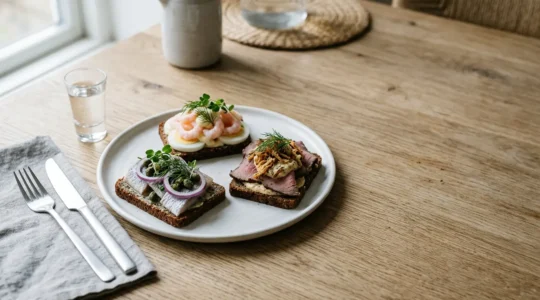
How to Eat Smørrebrød in the Correct Order to Avoid a Faux Pas?
Eating Danish smørrebrød is not about choosing your favorite topping; it is a structured culinary ritual where the sequence is everything. The tasting journey must follow a strict progression: start with fish (especially pickled herring), move to other seafood, then…
Read more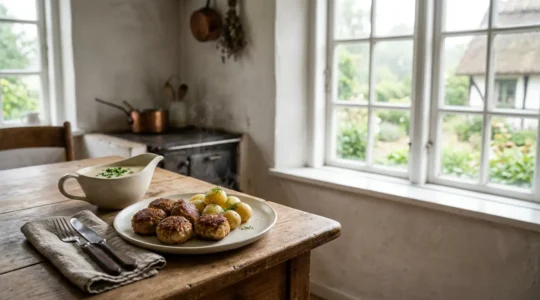
Beyond Frikadeller: A Guide to Authentic Danish Dinners Your Grandmother Would Approve Of
The heart of Danish cuisine isn’t in its famed New Nordic restaurants, but in the robust, comforting classics that define ‘hygge’ on a plate. National dishes like stegt flæsk are chosen by the people and rooted in the country’s agricultural…
Read more