Discover Copenhagen
Copenhagen presents a fascinating paradox for visitors: it’s a thoroughly modern Scandinavian capital built atop centuries of carefully preserved history. The city’s cobblestone streets, winding canals, and royal palaces aren’t simply museum pieces—they’re living, functioning parts of daily urban life. This creates both extraordinary photo opportunities and practical challenges that catch many first-time visitors off guard.
Understanding how to navigate this layered city transforms a good trip into an exceptional one. From choosing appropriate footwear for historic paving to timing your palace visit around the Royal Guard ceremony, the details matter. This comprehensive overview connects the practical realities of exploring Copenhagen with the cultural context that makes each neighborhood, waterfront, and landmark worth your time.
Navigating the Historic Old City
Copenhagen’s old city center showcases remarkable architectural preservation, but this authenticity comes with terrain challenges that modern visitors must navigate thoughtfully. The same cobblestones that create Instagram-worthy streetscapes can turn a casual stroll into an obstacle course without proper preparation.
Understanding the Cobblestone Terrain
The historic paving you’ll encounter isn’t decorative—it’s functional infrastructure maintained through specialized preservation techniques. These uneven surfaces were designed for horse-drawn carriages, not wheeled luggage or strollers. The stones settle and shift over time, creating gradual dips and unexpected height variations that aren’t immediately visible.
Footwear selection becomes genuinely important here. Thin-soled shoes transmit every stone edge to your feet, while heels can catch in gaps between stones. Comfortable walking shoes with cushioned, flexible soles make the difference between exploring for hours or retreating to your hotel with aching feet after an hour. Think of it like choosing appropriate tires for different road conditions—the right equipment fundamentally changes the experience.
Finding Photogenic Corners
The most photographed streets often appear in social media feeds without context about when and how those images were captured. Lighting transforms these narrow lanes dramatically throughout the day. Morning light creates long shadows that emphasize architectural details, while the golden hour before sunset bathes colored facades in warm tones that intensify their hues.
The secret many professional photographers understand is that the most beautiful streets are rarely the most famous ones. Side streets parallel to main tourist corridors often feature identical architecture with a fraction of the foot traffic, giving you clean shots without waiting for crowds to clear.
Accessibility Considerations
Managing strollers or wheelchairs on historic paving requires realistic expectations and route adjustments. Not every charming street is practically navigable with wheels. Modern Copenhagen recognizes this challenge, and many key routes now feature smooth accessibility paths alongside preserved cobblestones.
Researching your route beforehand prevents frustrating dead-ends. Certain approaches to major landmarks offer smoother surfaces than others—the eastern entrance to a square might be cobbled while the western side has modern paving. This isn’t about avoiding the old city, but rather choosing your specific paths strategically.
Planning Your Copenhagen Itinerary
Short city breaks demand efficient planning, but over-scheduling creates its own problems. Copenhagen rewards visitors who understand the geographical logic of the city’s layout and build flexibility into their days rather than racing between disconnected attractions.
Geographic Flow and Timing
The city’s compact core tempts visitors to pack too much into single days. A logical geographical flow respects the natural clusters of attractions. The waterfront district, historic center, and palace complex each deserve focused attention rather than constant backtracking across the city.
Consider this practical example: visiting the harbor area in the morning, moving to the old city for lunch and afternoon exploration, then ending at the palace complex allows you to follow a natural arc without retracing your steps. Timing also matters for atmosphere—historic streets feel magical in the early morning quiet before cruise ship passengers arrive, while the harbor comes alive in the evening.
Tourist Passes and Value Assessment
Copenhagen’s tourist passes promise convenience and savings, but the cost-benefit equation varies dramatically based on your specific interests. A pass makes financial sense if you plan to visit multiple paid museums and use public transportation frequently. For visitors primarily interested in walking tours, architecture, and select highlights, paying individually often costs less.
The genuine value of these passes often lies in the psychological freedom they provide—once purchased, you can spontaneously enter museums without calculating each admission fee. However, this same psychology can lead to museum fatigue as visitors feel obligated to “get their money’s worth” rather than exploring at a natural pace.
Weather and Meal Strategies
Copenhagen’s weather shifts rapidly, and outdoor sightseeing plans need built-in flexibility. Rather than rigidly scheduling outdoor activities, identify indoor alternatives near each outdoor priority. A sudden rain shower becomes an opportunity to explore a museum you’d otherwise skip rather than a schedule-destroying crisis.
Meal timing deserves similar strategic thinking. Eating lunch at noon guarantees you’ll wait for tables at popular restaurants. Shifting your main meal to 2:30 PM or 5:00 PM means immediate seating at the same establishments. This also naturally spaces out your sightseeing, preventing the common mistake of cramming too many activities into pre-lunch hours then losing momentum afterward.
The Harbor and Waterfront Experience
Copenhagen’s identity is inseparable from its harbor, but the postcard images of colorful Nyhavn buildings represent only a fraction of the waterfront’s story. Understanding the harbor’s evolution and hidden aspects reveals layers most visitors miss entirely.
Historical Context and Evolution
The harbor you see today bears little resemblance to its industrial past. Former shipping warehouses now house restaurants, and swimming platforms occupy spaces where cargo ships once docked. This transformation happened gradually over recent decades as Copenhagen reimagined its relationship with the waterfront.
Recognizing this history helps you understand the architectural diversity—why sleek modern buildings sit adjacent to preserved 17th-century structures. It’s not haphazard development but rather intentional preservation of different historical layers, much like an archaeologist leaving visible cross-sections of excavation sites.
Canal Tours and Operators
Numerous companies operate canal tours with boats departing every few minutes during peak season. The experiences differ more than you might expect. Larger boat operators provide recorded commentary in multiple languages but navigate only the main canals. Smaller operators often use guides who adjust their narration based on passenger questions and can access narrower waterways.
The time of day dramatically affects the experience. Midday tours battle crowds and harsh overhead light, while evening departures offer softer lighting and thinner crowds. Early morning tours sometimes encounter delivery boats and see the harbor as a working waterway rather than purely a tourist attraction.
Dining Without Tourist Traps
The waterfront’s most photographed areas naturally attract restaurants that prioritize location over food quality. The principle is straightforward: establishments with premium views can fill seats without premium cuisine. This doesn’t mean all waterfront dining disappoints, but it requires discernment.
Quality dining options exist one or two streets back from the famous strip, where rent costs force restaurants to compete on food rather than view. Local lunch crowds provide reliable indicators—if Danish office workers line up at noon, the price-to-quality ratio likely favors customers. Restaurants filled exclusively with tour groups carrying matching umbrellas suggest a different calculation.
Visiting the Royal Palace Complex
Amalienborg Palace functions simultaneously as an active royal residence, public museum, and working government facility. This triple identity creates specific protocols and visiting patterns that confuse many first-time visitors expecting a straightforward museum experience.
Understanding the Layout
The palace isn’t a single building but rather four identical rococo palaces arranged around an octagonal courtyard. Each palace has a distinct function—some are private residences, others house museum collections or government offices. When the royal family is in residence, a flag flies above their palace, adding a layer of security protocols to your visit.
This unusual layout means you can’t simply “tour the palace” in a linear fashion. Instead, you navigate a complex with some areas open, some requiring tickets, and some completely off-limits depending on the day and time. Understanding this structure before arriving prevents the frustration of discovering the specific collection you wanted to see is inaccessible during your visit.
Royal Guard and Protocol
The changing of the guard ceremony draws crowds but follows precise timing that varies seasonally. The guards don’t perform for tourists—they’re active military personnel executing official duties. This means maintaining respectful distance and following posted guidelines isn’t optional politeness but actual security requirements.
Photography is generally permitted, but guards cannot pause duties for photo opportunities. Attempting to interact with guards during their ceremonial duties or crossing barriers for better camera angles creates genuine security concerns. Observing from designated viewing areas still provides excellent views while respecting the protocol that makes the ceremony meaningful rather than theatrical.
Museum Collections and Routes
The museum sections contain remarkable collections of royal artifacts, but the interconnected layout between buildings can disorient visitors. Clear signage guides you through official routes, but understanding that some rooms connect to others while some require exiting and re-entering different buildings helps you avoid retracing steps unnecessarily.
Connecting your palace visit to the waterfront requires only a ten-minute walk through the Amaliehaven gardens, yet many visitors retrace their arrival route instead. This direct path offers harbor views and provides a natural transition between the formal palace grounds and the more casual waterfront atmosphere, creating a logical flow rather than disconnected experiences.
Copenhagen reveals itself gradually to visitors willing to look beyond the postcard images. The cobblestones underfoot connect to centuries of preservation philosophy, the harbor reflects decades of urban transformation, and the palace complex demonstrates how historic institutions adapt to contemporary needs. Understanding these layers—practical, historical, and cultural—transforms sightseeing into genuine discovery. Your specific interests will determine which aspects deserve deepest exploration, but recognizing the full scope of what Copenhagen offers ensures you make those choices intentionally rather than accidentally.
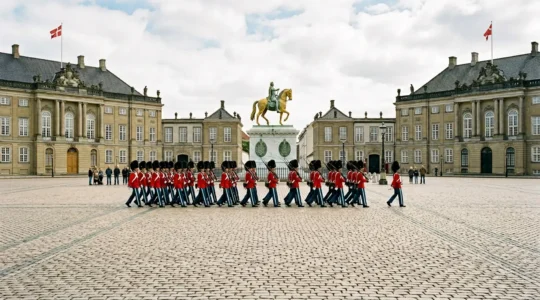
How to Witness the Royal Life at Amalienborg Without Breaking Protocol?
Understanding Amalienborg’s “living protocol” is the key to transforming a simple visit into a meaningful royal experience. The type of guard ceremony, including its music, directly reveals which member of the Royal Family is in residence. Your distance from the…
Read more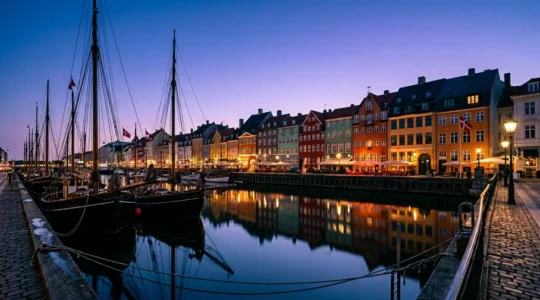
How to Enjoy Nyhavn Like a Local Instead of Just a Tourist?
The secret to loving Nyhavn is knowing how to escape its crowded, expensive “front stage” for the authentic experiences just steps away. The best, most affordable food isn’t on the main drag, but just across the bridge at a vibrant…
Read more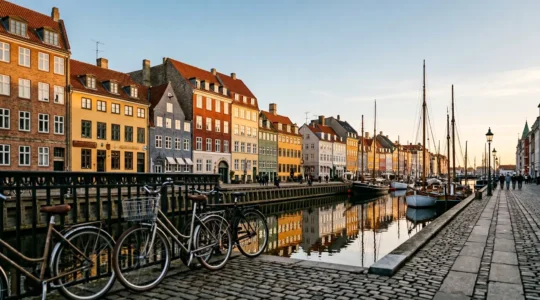
How to See the Best of Copenhagen in 48 Hours Without Burnout?
The key to a successful 48-hour Copenhagen trip isn’t a longer checklist, but a smarter strategy focused on efficiency and experience density. Prioritize activities by grouping them into geographical clusters to eliminate hours of wasted travel time. Make value-driven choices…
Read more
How to Walk Copenhagen’s Old City Without Wrecking Your Feet or Luggage?
In summary: Walking Copenhagen’s cobblestones is less about endurance and more about strategy; understanding the ‘why’ behind the streets is key. Footwear choice is a science: focus on cushioning, support, and thick, slip-resistant soles over just “comfort.” Accessibility is surprisingly…
Read more