Danish Travel Experiences
Denmark offers travelers far more than picturesque harbors and modern Scandinavian design showrooms. This small Nordic nation presents a rich tapestry of experiences that blend centuries-old traditions with contemporary culture, from windswept coastal villages where time seems to move slower, to urban neighborhoods pulsing with creative energy. Understanding these diverse facets transforms a simple visit into a genuine cultural immersion.
The Danish approach to travel differs from conventional tourism. Rather than racing between landmarks, the country invites you to participate—whether that means learning traditional crafts from local artisans, celebrating seasonal festivals with Danish families, or navigating the social nuances of neighborhood street parties. This article explores the essential categories of Danish travel experiences, offering practical insights to help you engage authentically with Denmark’s landscape, creativity, urban culture, natural wonders, and living traditions.
Exploring Denmark’s Coastal Villages and Rural Charm
Denmark’s coastline stretches over 7,300 kilometers, creating countless opportunities to escape urban centers for tranquil seaside communities. These villages represent a slower-paced Denmark where vernacular architecture tells stories of fishing heritage and maritime tradition.
Finding Your Perfect Seaside Escape
Direction matters significantly when leaving Copenhagen or other major cities. Villages north of the capital along the Øresund coast offer proximity and easy access, making them ideal for day trips, while those on Zealand’s western shores provide more dramatic coastal scenery and greater seclusion. The choice between buzz and quiet depends heavily on timing—summer weekends draw Danish families to popular spots, while weekday visits during shoulder seasons offer near-solitary beach walks.
Consider what defines your ideal coastal experience. Some villages prioritize artisan communities with galleries and workshops, while others focus purely on natural beauty and outdoor activities. Researching each village’s character prevents disappointment and ensures alignment with your travel style.
Getting Around Without a Car
Denmark’s excellent public transportation extends surprisingly far into rural areas. Regional trains connect to many coastal towns, with local buses bridging the final kilometers. The key is understanding schedule limitations—buses to smaller villages may run only three to four times daily, requiring careful planning around arrival and departure times.
Cycling presents another viable option. Denmark’s flat terrain and extensive bike path network make even 30-40 kilometer rides manageable for moderately fit travelers. Many train stations offer bike rentals, allowing you to combine rail travel with cycling for maximum flexibility.
Architecture and Local Life
Traditional Danish coastal architecture features half-timbered houses with thatched roofs, whitewashed walls, and small windows designed to withstand harsh maritime weather. These structures weren’t built for aesthetics but for functional durability, though their beauty emerges from that very pragmatism.
Local markets selling fresh produce, smoked fish, and artisan goods operate regularly in most villages. Shopping here connects you directly with regional food culture—conversations with vendors often reveal cooking tips, seasonal specialties, and the best times to find specific items. These interactions provide cultural insights no guidebook can replicate.
Immersing Yourself in Danish Design and Craft
Danish design’s international reputation rests on clean lines, functional beauty, and masterful craftsmanship. Moving beyond simply viewing these objects in museums or shops, many travelers now seek hands-on learning experiences that reveal the techniques behind Denmark’s creative output.
Understanding Denmark’s Design Legacy
The Royal Copenhagen porcelain factory, established in the 18th century, exemplifies Denmark’s commitment to craft excellence. Its influence extends throughout Danish design, establishing standards for quality and aesthetic refinement. Modern Danish designers continue this legacy while incorporating contemporary sensibilities, creating a fascinating dialogue between tradition and innovation.
Different glazing techniques produce dramatically varied results on ceramics—understanding the distinction between oxidation and reduction firing, or how cobalt blue achieves its distinctive depth, enriches your appreciation when viewing finished pieces. This knowledge transforms passive observation into informed engagement.
Finding and Booking Hands-On Workshops
Open studios and craft workshops cluster in specific areas, particularly in North Zealand, Bornholm island, and certain Copenhagen neighborhoods. Locating them requires research beyond standard tourism websites—many artisans advertise primarily through social media or local cultural centers.
Workshop offerings include:
- Weaving and textile arts using traditional looms and natural dyes
- Cooking classes focusing on seasonal Danish cuisine and preservation techniques
- Porcelain painting with instruction in classic patterns and modern interpretations
- Jewelry design incorporating Scandinavian metalworking traditions
- Bookbinding using centuries-old methods still practiced by Danish craftspeople
Many artisans offer classes in English, though confirming language availability when booking prevents miscommunication. Class sizes typically remain small—often just four to six participants—creating intimate learning environments where individual attention is possible.
Practical Considerations for Craft Tourism
Creating fragile works like ceramics or glass during your travels raises the question of transport. Most workshop instructors provide guidance on proper packing, and Danish postal services offer international shipping for finished pieces. Factor these costs into your budget, as shipping hand-painted porcelain internationally can equal or exceed the workshop fee itself.
The investment extends beyond the physical object. Learning a traditional craft from a Danish master creates memories and skills that outlast any souvenir. This experiential approach to cultural engagement represents modern travel’s shift toward participation rather than passive consumption.
Experiencing Copenhagen’s Neighborhood Culture
Copenhagen’s creative energy concentrates in distinct neighborhoods, each with unique character and social rhythms. Understanding these differences helps travelers navigate the city’s cultural landscape more effectively, particularly during major events that transform entire districts.
Vesterbro vs Nørrebro: Two Distinct Vibes
Vesterbro, once Copenhagen’s red-light district, has evolved into a trendy area mixing high-end restaurants, vintage shops, and cocktail bars. Its aesthetic leans polished and curated, attracting a slightly older, more affluent crowd. Street events here tend toward organized markets and food festivals.
Nørrebro maintains grittier authenticity, with immigrant communities, student populations, and activist spaces coexisting alongside craft breweries and independent cafes. Its events often carry political or countercultural undertones, and the atmosphere feels more spontaneous and diverse. Neither neighborhood surpasses the other—they simply offer different flavors of Copenhagen’s urban culture.
The Copenhagen Distortion Phenomenon
This massive street party transforms different Copenhagen neighborhoods each day, drawing enormous crowds for outdoor music, dancing, and socializing. Timing your visit to coincide with Distortion means accepting certain trade-offs—vibrant energy versus noise, crowds versus intimacy, party atmosphere versus quiet exploration.
The event operates on a street party model where specific blocks close to traffic, with bars and organizers setting up outdoor sound systems. The experience peaks during evening hours but extends well past midnight, creating challenges for residents and testing the city’s tolerance for disruption.
Street Party Etiquette and Budgeting
Denmark’s deposit system applies to nearly all beverage containers—bottles and cans carry a “pant” fee that you recover by returning empties to collection points. During street parties, abandoned containers accumulate quickly, and collecting them for deposit returns has become common practice. Understanding this system prevents confusion and demonstrates cultural awareness.
Managing budgets at street events requires planning. Danish alcohol prices rank among Europe’s highest, and festival markups increase costs further. Many locals pre-drink at home or bring their own beverages to outdoor spaces where permitted. However, respecting neighborhood residents remains crucial—excessive noise, public urination, and littering create tensions between event-goers and locals who live in these areas year-round.
The unwritten rule: party enthusiastically but considerately. Copenhagen’s street culture thrives on mutual respect, and visitors who ignore this social contract risk souring the atmosphere for everyone.
Discovering Skagen: Where Two Seas Meet
Denmark’s northernmost point, where the Baltic and North Seas collide, offers natural drama rarely found in this otherwise gentle landscape. Skagen represents a pilgrimage for many Danes, combining raw nature with artistic heritage and unique coastal phenomena.
The Journey to Denmark’s Northern Tip
Reaching Skagen from Copenhagen requires commitment—roughly five to six hours by train and bus, or three to four hours driving. This distance deters casual visitors, which paradoxically enhances the destination’s appeal for those who make the journey. The route northward through Jutland reveals Denmark’s changing landscape as forests give way to heathlands and eventually to windswept dunes.
Accommodation in Skagen ranges from traditional fisherman’s cottages to modern hotels, with advance booking essential during summer months when Danish families claim their preferred lodgings well in advance. The town itself maintains charm without excessive tourism development, preserving the authentic character that originally attracted artists in the late 19th century.
Natural Wonders and Hidden Landmarks
The natural phenomenon at Grenen, Skagen’s northern tip, creates visible waves where two seas meet but cannot merge due to different densities and currents. Standing at this convergence point, with one foot symbolically in each sea, provides a powerful sense of Denmark’s geographic extremity.
Den Tilsandede Kirke (the Sand-Buried Church) tells a haunting story of nature’s power. This 14th-century church became progressively buried by migrating sand dunes until abandonment in the late 18th century. Only the tower remains visible today, protruding from the dunes as a stark reminder of the landscape’s dynamic character. The site evokes reflection on impermanence and nature’s indifference to human endeavor.
Activities in the Dunes and Waters
Cycling through Skagen’s dune landscape offers the best way to experience its scale and variety. Well-marked paths wind through protected areas where hardy vegetation clings to shifting sands, and occasional World War II bunkers emerge from dunes like concrete ghosts.
Swimming in Skagen’s waters requires caution and local knowledge. The meeting point of two seas creates unpredictable currents that can overwhelm even strong swimmers. Local beaches display clear signage about safe swimming areas, and respecting these warnings is essential. Calmer beaches exist on both the eastern and western coasts, offering safer alternatives to the dramatic but dangerous northern tip.
Participating in Danish Seasonal Traditions
Danish cultural identity expresses itself powerfully through seasonal celebrations that blend pagan roots, Christian traditions, and modern family customs. Participating in these rituals, even as an observer, provides insights into values and social bonds that define Danish life.
Winter and Spring Celebrations
Fastelavn, celebrated in February, combines elements of carnival and Halloween. Children dress in costumes and “beat the cat out of the barrel”—hitting a suspended wooden barrel with sticks until it breaks, spilling candy. This tradition, once involving actual cats centuries ago, now represents a purely festive activity that marks winter’s end.
Easter in Denmark centers on family lunches featuring traditional dishes like pickled herring, roasted lamb, and various egg preparations. The meals extend for hours, emphasizing togetherness over efficiency—a value that permeates Danish culture. Travelers invited to participate in these lunches should prepare for multiple courses, considerable alcohol consumption, and extended social interaction.
Summer and Autumn Rituals
Confirmation celebrations in spring hold particular significance in Denmark, marking not just religious coming-of-age but also major family gatherings with elaborate meals and substantial gifts. The tradition persists even in increasingly secular Danish society, demonstrating how cultural practices outlive their original religious contexts.
Christmas Eve features the tradition of dancing around the Christmas tree while singing carols—a practice that might seem quaint to outsiders but carries deep emotional resonance for Danes. The evening concludes with the monarch’s annual speech, which many families watch together, reflecting Denmark’s continued connection to its royal heritage despite modern democratic governance.
These traditions reveal Denmark’s cultural paradox: progressive and modern in policy and design, yet deeply committed to preserving rituals that connect past and present. Understanding this duality helps travelers appreciate why Danes invest such importance in seasonal celebrations that might appear merely folkloric to outsiders.
Danish travel experiences reward curiosity and participation over passive sightseeing. Whether learning traditional crafts, timing your coastal village visit for maximum tranquility, navigating Copenhagen’s neighborhood cultures, witnessing Skagen’s natural drama, or observing seasonal traditions, authentic engagement requires preparation and cultural sensitivity. Each category offers distinct pathways into Danish life, allowing you to craft a travel experience aligned with your interests while respecting the culture that welcomes you.

From Clay to Keepsake: A Guide to Copenhagen’s Best Craft Workshops
The most meaningful Danish souvenir is the one you make with your own hands, embedding your travel story into a physical object. Copenhagen is filled with accessible workshops for every interest, from the ancient art of pottery to the modern…
Read more
How to Celebrate a Traditional Danish ‘Juleaften’ Like a Local: A Tourist’s Guide
In summary: Participating in a Danish Christmas Eve (‘Juleaften’) is about respectfully joining in, not just observing. Key rituals include holding hands to sing and dance around the Christmas tree, which is adorned with real candles. The Christmas dinner debate…
Read more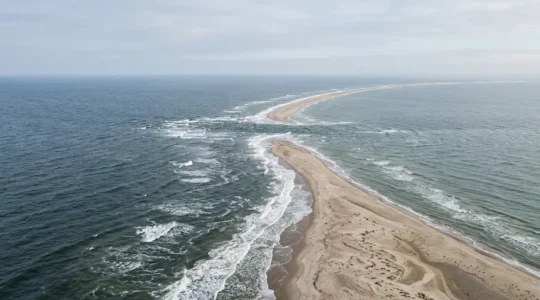
How to Visit the Meeting Point of Two Seas at Grenen?
Visiting Grenen is more than ticking a box. Many travelers see the clashing waves but miss the deeper story. This guide reveals how the collision of two seas creates a living landscape, a haven for wildlife, and the unique ‘Blue…
Read more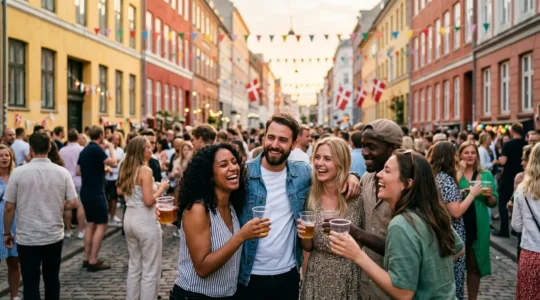
How to Join Copenhagen’s Street Parties Like a Local?
The secret to Copenhagen’s street parties isn’t just knowing where to go, but understanding the unwritten system that powers them. The “Forfest” (pre-party) is a non-negotiable social ritual, not just a way to save money. Denmark’s “Pant” deposit system is…
Read more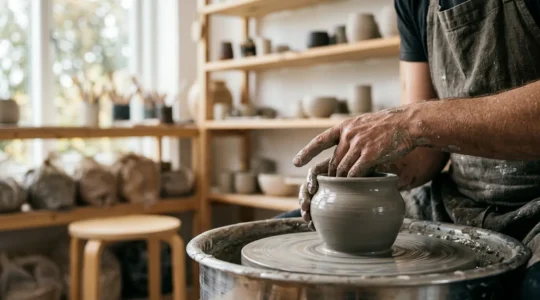
How to Create Your Own Piece of Danish Design Pottery?
You’re looking for a Danish souvenir that feels more meaningful than a magnet or a keychain. The solution isn’t just to buy a piece of design, but to immerse yourself in its creation. This guide reframes a simple pottery class…
Read more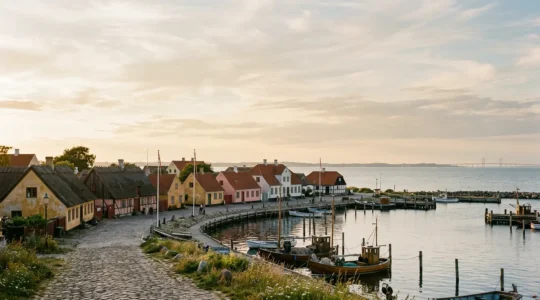
Finding Your Perfect Danish Coastal Village: A Slow Traveler’s Guide to Seaside Charm
The true charm of a Danish coastal village is discovered not by seeing its sights, but by understanding its soul. Your ideal village depends on your personality: choose the historic intimacy of Dragør or the lively Riviera feel of Hornbæk….
Read more