Blog
The difference between visiting a place and truly experiencing it lies in the depth of your cultural immersion. While conventional tourism offers curated highlights and photo opportunities, authentic travel invites you into the living fabric of a destination—its rhythms, values, and unspoken social codes.
This approach transforms you from observer to participant. Rather than simply checking landmarks off a list, you’ll engage with local communities, navigate social customs with confidence, and develop genuine connections that reveal what guidebooks cannot capture. The reward is a richer, more nuanced understanding of how people actually live, work, and find meaning in different corners of the world.
The journey toward cultural fluency requires intentional choices about language, accommodation, daily routines, and social participation. Each decision creates opportunities for meaningful exchange and deeper insight into the values that shape a culture.
Why Cultural Immersion Transforms Your Travel Experience
Surface-level tourism creates a transactional relationship with place. You consume experiences designed for outsiders, often insulated from the authentic rhythms of local life. Cultural immersion, by contrast, positions you as a respectful participant rather than a passive consumer.
This shift unlocks dimensions of travel that remain invisible to conventional tourists. You begin to notice the unspoken rules governing public behavior, the subtle humor embedded in everyday interactions, and the values reflected in how communities organize their time and space.
Building Genuine Local Connections
Meaningful relationships with local residents provide context that no amount of research can replicate. A conversation with a neighborhood shopkeeper reveals shopping patterns and seasonal rhythms. An invitation to a family meal demonstrates hospitality customs and communication styles you’d never encounter in restaurants.
These connections develop naturally when you create space for them. Staying in one place longer, frequenting the same coffee shop, or joining community activities signals your genuine interest in understanding rather than simply extracting experiences.
Moving Beyond Tourist Infrastructure
The intangible social atmosphere of a place—its energy, pace, and interpersonal dynamics—becomes apparent only when you step outside tourist zones. Residential neighborhoods, local markets, and community gathering spaces reveal how people actually live when they’re not performing for visitors.
This requires deliberate navigation away from the well-worn tourist trail. The discomfort of unfamiliarity becomes your compass, guiding you toward more authentic encounters and genuine cultural insight.
Language and Communication: Your Gateway to Connection
Language learning demonstrates respect and creates immediate rapport, even when your vocabulary remains basic. The effort itself communicates something valuable: you consider the local culture worthy of engagement rather than expecting it to accommodate you entirely.
Essential Phrases That Open Doors
You don’t need fluency to reduce social friction. A core vocabulary of greetings, courtesies, and practical phrases enables basic navigation while signaling cultural awareness. Learning how to properly greet someone, express thanks, and apologize covers the majority of brief interactions.
Focus your initial efforts on phrases specific to social situations: how people toast during shared meals, appropriate ways to decline offers politely, or expressions used when entering shops or homes. These context-specific phrases carry cultural weight beyond their literal translations.
Non-Verbal Communication Matters
Every culture develops unwritten rules about personal space, eye contact, gesturing, and physical touch. What feels friendly in one context may seem intrusive or cold in another. Observing before participating helps you calibrate your behavior to local norms.
Pay attention to volume levels in public spaces, queuing customs, and how people negotiate shared spaces like public transportation. These small behavioral adjustments demonstrate cultural competence and ease your integration into daily life.
Understanding Local Social Customs and Values
Beneath visible behaviors lie deeper value systems that organize society. Understanding these fundamental principles—how communities conceptualize trust, balance competing demands, or define success—provides essential context for everything you observe.
Social Trust and Community Dynamics
Some cultures operate on high-trust social models, where informal agreements and community accountability replace formal rules. Others rely more heavily on explicit contracts and institutional oversight. Recognizing which model predominates helps you interpret behaviors accurately.
High-trust societies may leave personal belongings unattended, use honor-system payment in certain contexts, or organize community resources through informal sharing rather than commercial transactions. These practices reflect deeply embedded social values rather than simple naivety.
Work-Life Balance Philosophies
How a culture structures time reveals its priorities. Some societies strictly separate work from leisure, creating clear boundaries and protecting personal time. Others integrate these domains more fluidly, with social and professional relationships overlapping considerably.
Notice when shops close, how people spend evenings and weekends, and attitudes toward vacation time. These patterns illuminate whether the culture prizes productivity, leisure, family time, or community participation—and how it negotiates tensions between competing values.
Communal Dining Traditions
Shared meals function as social glue in most cultures, but the rules governing them vary enormously. Understanding dining etiquette—who serves whom, how portions are managed, appropriate conversation topics, and when the meal concludes—prevents awkward misunderstandings.
Beyond mechanics, observe what role food plays in building relationships. Is sharing meals primarily functional, or does it serve as the primary vehicle for social bonding? How do people balance individual preferences with group harmony when making food choices?
Navigating Cultural Differences with Confidence
Even well-intentioned travelers occasionally stumble into misunderstandings. The goal isn’t perfection but developing the awareness to recognize when you’ve misread a situation and the grace to recover smoothly.
Avoiding Common Misunderstandings
Many cultural mistakes stem from unconsciously applying your home culture’s logic to a different context. Assumptions about punctuality, directness in communication, appropriate gift-giving, or how to show respect often don’t translate across cultural boundaries.
When interactions feel unexpectedly awkward, resist the urge to double down on your original approach. Instead, observe how locals handle similar situations. The discomfort itself often signals that your cultural framework doesn’t apply in this context.
Decoding Local Humor and Communication Styles
Humor operates on shared cultural references, linguistic wordplay, and assumptions about what’s appropriate to joke about. Understanding local humor styles—whether they tend toward irony, self-deprecation, wordplay, or physical comedy—reveals much about communication norms and social values.
Some cultures use humor to create warmth and connection, while others employ it to maintain polite distance or navigate uncomfortable topics. Misreading these intentions can lead to confusion about the nature of your relationships and interactions.
Creating Authentic Experiences Through Smart Choices
The infrastructure supporting your travel—where you sleep, how you spend your time, which activities you prioritize—either facilitates or hinders cultural immersion. Strategic choices create more opportunities for authentic engagement.
Selecting Accommodation for Local Atmosphere
Where you stay determines your daily rhythms and incidental interactions. Residential neighborhoods immerse you in authentic local life, while tourist districts create bubbles of international homogeneity. Smaller, locally-owned accommodations often provide insider knowledge and facilitate introductions to the community.
Consider what matters most for your immersion goals. Some travelers prioritize proximity to local markets and cafés, while others seek hosts who can explain cultural nuances and make introductions. The right choice depends on your learning style and comfort with ambiguity.
Participating in Local Traditions and Gathering Spaces
Every culture creates spaces for informal social mixing—weekly markets, community centers, particular cafés, or regular events. Identifying and respectfully participating in these communal gathering spaces provides natural opportunities for conversation and observation.
In some contexts, this might mean joining the Friday afternoon social tradition that marks the weekend transition. In others, it could involve regular community events, volunteer opportunities, or shared interest groups that welcome newcomers. These spaces reveal how communities create and maintain social bonds.
Expressing Culture: Fashion, Music, and Aesthetics
Creative expression—how people dress, decorate spaces, and produce art—offers a visible entry point into less tangible cultural values. Aesthetics aren’t superficial; they reflect philosophical principles and cultural priorities.
Understanding Design Philosophies
A culture’s approach to design reveals its relationship with nature, technology, tradition, and consumption. Minimalist aesthetics, for example, often reflect values around sustainability, intentionality, and finding beauty in restraint rather than abundance.
Notice what people choose to display in their homes and public spaces, how they balance form and function, and whether innovation or tradition guides design choices. These preferences connect to deeper questions about what constitutes quality, value, and good taste.
Discovering Local Music and Creative Scenes
Contemporary creative expression—local music scenes, fashion movements, or artistic trends—shows how communities interpret global influences through local sensibilities. A city’s independent music venues, fashion districts, or gallery neighborhoods reveal what the culture values in creativity and self-expression.
Attending local performances, exploring emerging fashion designers, or visiting artist studios connects you to the culture’s living creative edge rather than its museumified past. These experiences show how tradition evolves and what conversations currently energize the community.
Cultural immersion transforms travel from consumption to conversation. By approaching destinations with curiosity, humility, and genuine interest in understanding rather than judging differences, you create space for the kinds of exchanges and insights that make travel genuinely transformative. The goal isn’t to become an insider—that would be both impossible and presumptuous—but to move beyond the role of tourist toward that of respectful, engaged learner.
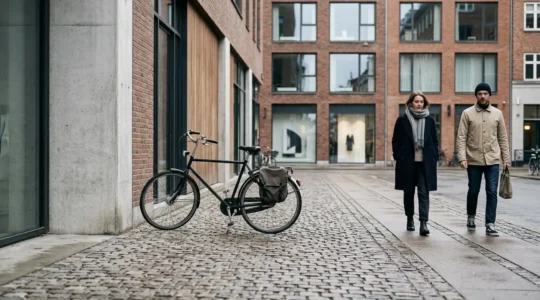
Your Insider’s Guide to Copenhagen’s Cool: Beyond Nordic Noir and Minimalist Fashion
Copenhagen’s coveted “cool” isn’t about exclusive trends; it’s a practical aesthetic forged by a unique blend of accessible high-culture and everyday pragmatism. The city’s famous minimalist style is directly shaped by its dominant bike culture, prioritizing function over flash. World-class…
Read more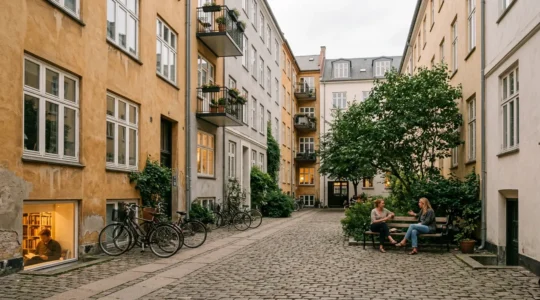
How to Feel the Real ‘Danish Spirit’ Beyond the Tourist Trail?
The real “Danish spirit” isn’t found in pastries or design shops; it is the observable result of a deeply ingrained social operating system. It’s a system built on an exceptionally high level of social trust, which manifests as visible freedom…
Read more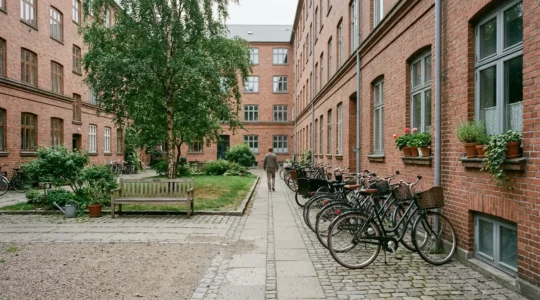
How to Go from Tourist to Temporary Local in Denmark
Living like a local in Denmark is less about what you do, and more about understanding the ‘why’ behind its unique social rules. Mastering cultural codes like ‘Jante Law’ and high-trust etiquette is more important than just learning the language….
Read more